
Puerto Rico – The day after independence
Puerto Rico has been gradually incorporated to be “as a state” since it was acquired in 1898 by the United States. Its citizens have been American citizens since 1917. Over 96% of the population supports permanent union with the United States and American citizenship. A minority of the Population, less than 4%, continues to support the alternative
of independence for Puerto Rico, a choice as dignified. Nonetheless, considering the endless debate over the political status issue, it is important to know what will be some of the consequences of Puerto Rico becoming a republic.
The following changes will take place the day after independence. As far as
American citizenship is concerned, there are several possible scenarios. The four million American citizens who live in P.R. will continue to remain American citizens, except those who chose to renounce their American citizenship in favor of citizenship in the new Republic of Puerto Rico. Another possibility is that those American citizens who were born
in P.R. before Independence Day may be given a grace period of up to two to five years to reaffirm their American citizenship. This may require that they establish residence in a state or territory, e.g. Florida or the Virgin Islands. Regardless of the above, those who elect to remain American citizens, and who decide to reside in Puerto Rico, will now be living in a
foreign country, just like the other four million Americans who live in Mexico, Costa Rica and all over the world. As American citizens living in a foreign country, ironically, they will have to pay U.S. Federal income taxes!
All persons born in Puerto Rico after Independence Day will be citizens of Puerto Rico and not American citizens. They no longer will serve in the Armed Forces of the United States, nor be subject to deployment to war zones. The more than 30,000 residents of Puerto Rico currently in the National Guard and the Reserves will lose their part time, and in many cases, only well paying job, not to speak of the potential for a lifetime military pension, with all of its privileges, after reaching the age of 60 and completing 20 years of service.
Puerto Rico will lose the protection of the FBI and the Federal Courts, which
traditionally have been more aggressive and successful at fighting corruption and organized crime. Puerto Rico will lose the protection of the Coast Guard, United States Customs, and the Border Patrol. The result will be a worsening of illegal immigration. It also will result in having to incur in the necessary expenses to provide for its own police and military organizations for internal and international security.
Agencies such as OSHA, EPA, FDA, and others will no longer operate in Puerto Rico .The result may be lower air, water, waste management and food standards, with reduced enforcement of whatever standards are newly imposed. FEMA grants will no longer apply. The Republic of Puerto Rico may elect to use the U.S. dollar as its currency, as have several countries such as El Salvador and Panama. If a new currency is created, e.g.
the Puertorican Peso, it is likely that it will be devalued rapidly since Puerto Rico will have to absorb the current budget deficit, and will also have to fund future pensions for government employees……………………………………………………………………………………………….
Most United States Federal government employees will probably lose their jobs, together with all of their benefits and potential for a pension. Federal minimum wages, social security and unemployment benefits, will not be guaranteed to the labor force of the republic. It is likely that the United States Treasury will transfer a lump sum of money to the Republic of Puerto Rico so that it can establish its own Social Security and Medicare programs. It is also likely that there will be a massive exodus of talented, well educated, experienced professionals. Many will chose to remove their deposits from Puerto Rico’s banks and will transfer them to safer institutions in any of the 50 states. The bank deposits will no longer be insured by the FDIC.
The cost of mailing letters and packages to and from the fifty states to Puerto Rico will increase because international rates will apply. The Pell Grants will disappear.
Other programs such as Medicaid, Aid to Families with Dependent Children, and the Food Stamps will disappear. Puertoricans will no longer be able to go to Houston or Boston and similar medical centers with their Medicare cards to get the specialized medical care that they are used to.
Puertoricans will require a passport to travel to and from the fifty states. Those who are not American citizens may even require a visa….Non American citizens who wish to emigrate to the United States will be subject to a quota system, just like citizens of foreign countries are. It may take several years for those who qualify to become American citizens,
like the Puertorican citizens of the Republic of Puerto Rico and be able to move residence
to a state. ……………………………………………………..
Colleges, technical institutes and universities in Puerto Rico will no longer be American institutions, but international institutions. Graduates of such institutions will have difficulty finding employment and obtaining professional licenses to work in the fifty states.
Puerto Rico will have to negotiate a free trade agreement with the United States if it wishes to continue exporting goods, e.g.: pharmaceuticals, electronic devices, to the United States. free of import duties. Balance of payments in international trade will depend on its internal economic capability for commercial transactions. Competition will have to
confront as well the economic capability from other countries, including in the Caribbean and Latin America. 000000000000000000
It is pertinent to consider that Puerto Rico’s and United States political and
commercial relations will have to be channeled by negotiation of treaties, and or agreements, similarly like other countries do. Puerto Rico will have to incur in the cost of opening Embassies in all countries and sending delegates to international regional and world private and public organizations. Finally, there is no guarantee that the Republic of
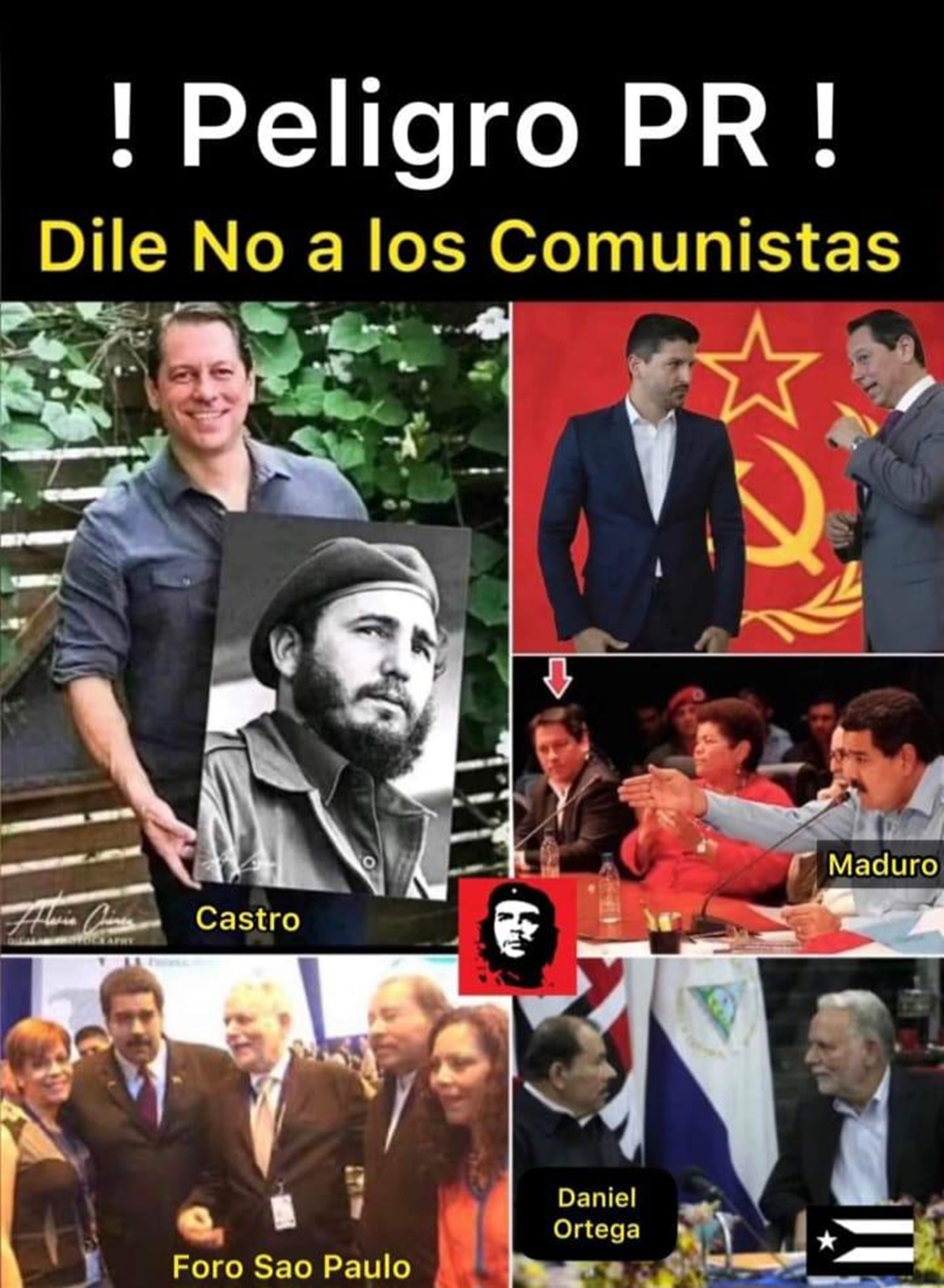
Puerto Rico. will have a democratic form of government. Many of those who favor independence openly sympathize with Castro’s Cuba and with Chavez’s Venezuela.
By: Gregorio Igartua


 Estado51prusa's Blog